Whatsapp: +86 15001050898 Email : collin@runingpower.com / daisy@runingpower.com

How to Evaluate a Lithium Battery Manufacturer: A 10-Point Checklist for B2B Buyers
Choosing the right lithium battery supplier is one of the most critical procurement decisions your business will make. Get it wrong, and you’re looking at production delays, quality issues, compliance headaches, and costly replacements. Get it right, and you secure a reliable partner for years to come.
But how do you separate the real manufacturers from the traders? How do you verify quality claims before placing a large order?
This 10-point checklist walks you through exactly what to look for—whether you’re sourcing AGV batteries, golf cart packs, or custom energy storage solutions.

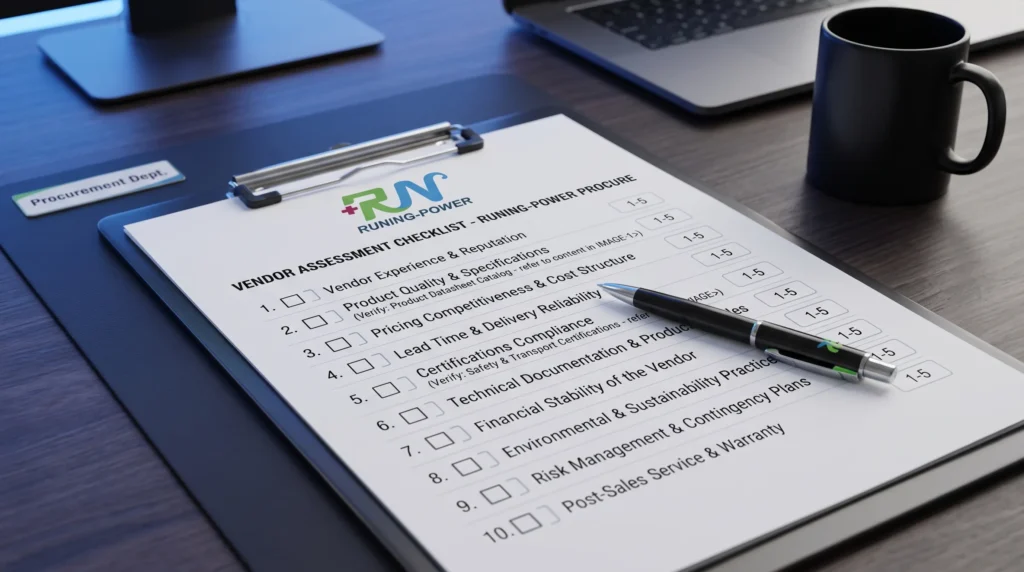

Verify They’re a Real Manufacturer, Not Just a Trader
The B2B battery market is flooded with trading companies posing as manufacturers. They often offer lower prices but can’t guarantee quality, consistency, or supply.
What to check:
Request a virtual or on-site factory tour via video call—observe the production floor, equipment, and QC checkpoints
Ask for a business license and verify the registered address matches the factory location
Check for in-house R&D capabilities—manufacturers invest in engineering teams
Review transaction history and buyer feedback on platforms like Alibaba
Red flag: A supplier that can’t show you their production line or provides vague answers about their manufacturing process.
Learn more about Runing Power’s manufacturing capabilities →
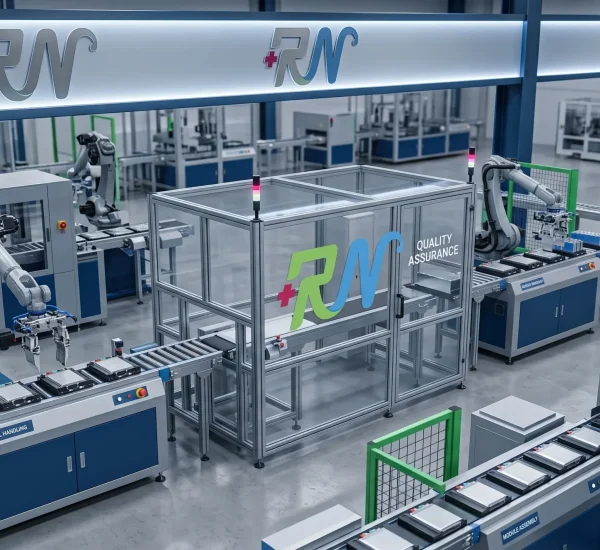

Validate International Certifications
Compliance isn’t optional—especially if you’re exporting to Europe or North America. Without the right certifications, your shipment won’t clear customs.
| Certification | Purpose |
|---|---|
| ISO 9001 | Quality management system |
| UN38.3 | Transport safety for lithium batteries (mandatory for air/sea freight) |
| CE | EU market access (safety and environmental compliance) |
| UL 1642 / IEC 62133 | Cell-level safety standards |
| RoHS | Restriction of hazardous substances |
What to do:
- Request copies of all certificates—don’t accept claims without documentation
- Ask for third-party test reports from labs like SGS or TÜV
- Verify certifications independently through accredited bodies
Red flag: A supplier that says “we can get it” rather than “we have it.”
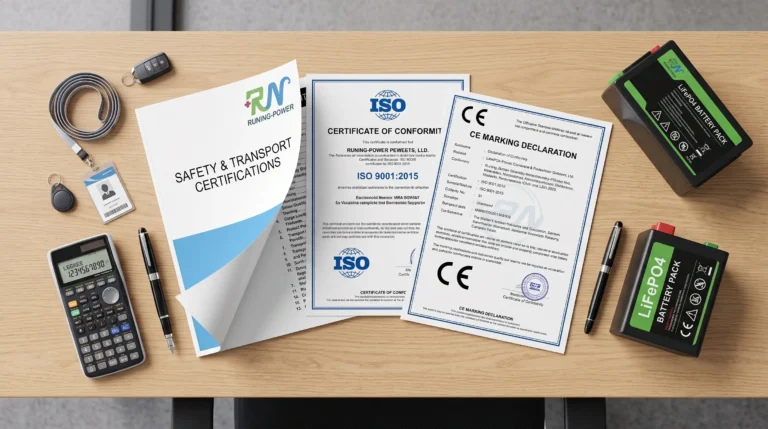
Assess Factory Scale and Automation
Factory size matters—but not in the way you might think. A massive factory with outdated equipment is less impressive than a medium-sized facility with automated production lines.
what to evaluate:
- Automation level: Automated assembly lines reduce human error and improve consistency
- Climate-controlled aging chambers: Essential for cell matching and quality control
- In-house testing labs: Can they conduct cycle life, thermal stability, and short-circuit tests?
- Traceability systems: Can they track cell origin (e.g., CATL, EVE, CALB cells)?
- Workforce size and annual revenue: Indicators of operational capacity
Red flag: A factory that can’t demonstrate clear quality control processes or lacks basic testing equipment.
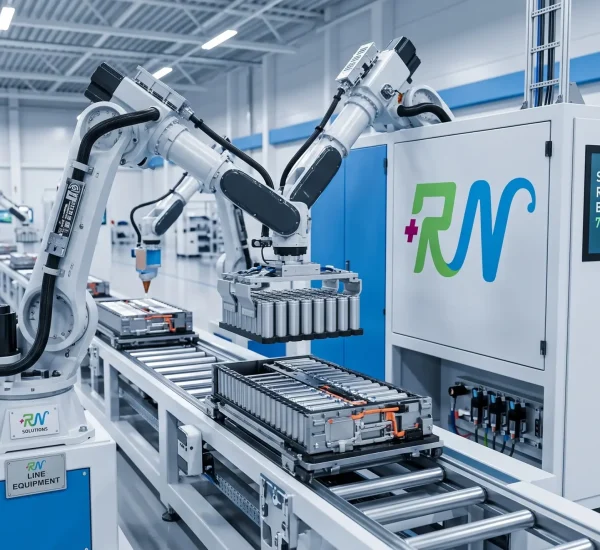

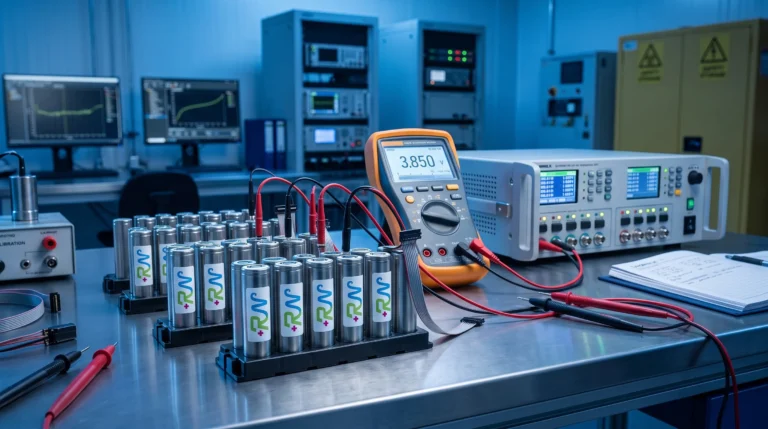
Request and Test Samples
Samples are your best tool for verifying quality before committing to a large order. Most reputable suppliers offer samples (cost typically ranges from $10 to $500, often credited toward future purchases).
what to test:
- Actual capacity vs. rated capacity: Measure under controlled discharge
- Cycle life performance: Industry standard for LFP cells is 3,000+ cycles; NMC should retain ≥80% capacity after 2,000 cycles
- BMS behavior: Test overcharge, over-discharge, and short-circuit protection
- Temperature rise during cycling: Critical for safety
- Weld quality and mechanical integrity
Red flag: Samples that don’t match specifications—or a supplier that’s reluctant to provide samples.
Evaluate BMS and Technical Capability
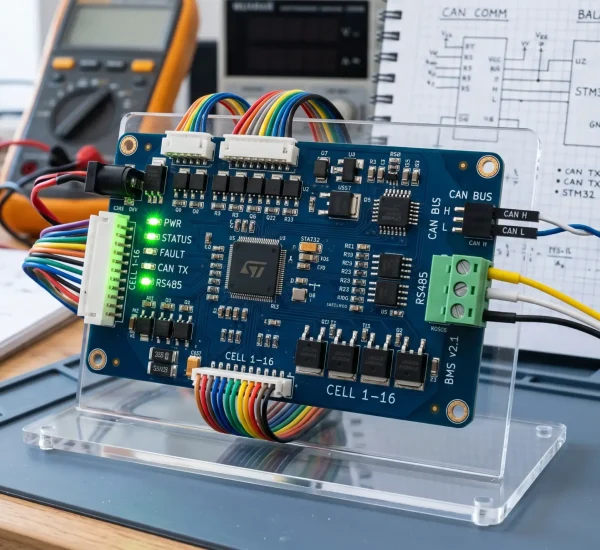
The Battery Management System (BMS) is the brain of any lithium battery. A supplier’s BMS capability tells you a lot about their technical depth.
what to look for:
- Custom BMS development: Can they tailor protection parameters to your application?
- Communication protocols: Support for CAN bus, RS485, or analog output
- Low-temperature optimization: Critical for cold storage applications
- Multi-cell balancing: Ensures consistent performance across the pack
- SOC accuracy: Advanced coulomb counting algorithms should deliver >95% accuracy
Red flag: A supplier that can’t explain their BMS capabilities or relies entirely on off-the-shelf solutions.
Review Customer References and Track Record
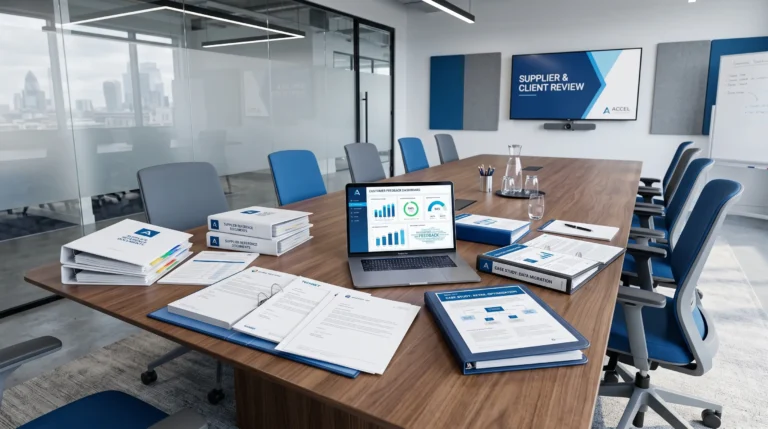
Nothing validates a supplier like satisfied customers. Don’t just read testimonials—contact them.
what to do:
- Ask for 3-5 client references, preferably in similar industries
- Contact them directly—ask about quality, delivery, communication, and after-sales support
- Check online reviews and ratings on B2B platforms
- Look for repeat customers—high reorder rates indicate satisfaction
Red flag: A supplier that can’t or won’t provide references.
Understand Their Customization Capabilities
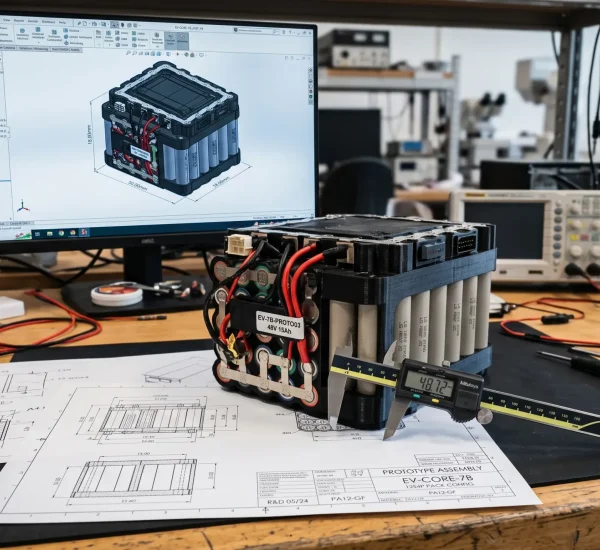
If you need custom battery solutions, your supplier’s engineering flexibility matters.
what to evaluate:
- Engineering team size and expertise: Look for in-house design capability
- Prototyping turnaround: 2-3 weeks is typical for custom designs
- Customization options: Voltage configuration, capacity tuning, terminal type, labeling, packaging, and full OEM branding
- BMS integration: Can they customize BMS for your specific application?
- Low-temperature optimization: Critical for cold storage applications
Red flag: A supplier that offers limited customization or can’t provide examples of custom work.
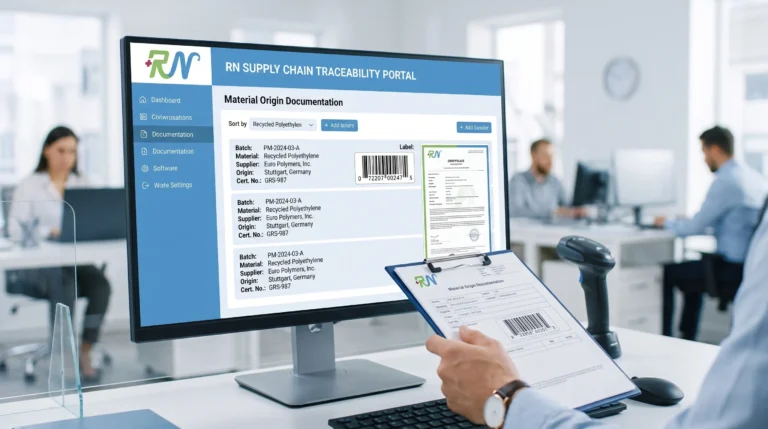
Verify Supply Chain and Material Traceability
Lithium battery quality starts with the cells. Knowing where the cells come from matters.
what to check:
- Cell origin: Do they use cells from Tier 1 manufacturers (CATL, EVE, CALB) or unknown sources?
- Traceability systems: Can they track cells from production to final pack?
- Raw material inspection: Do they verify incoming materials meet specifications?
- In-process testing: Are there regular quality checks during production?
Red flag: A supplier that can’t tell you where their cells come from or lacks traceability documentation.
Compare Total Cost of Ownership—Not Just Unit Price
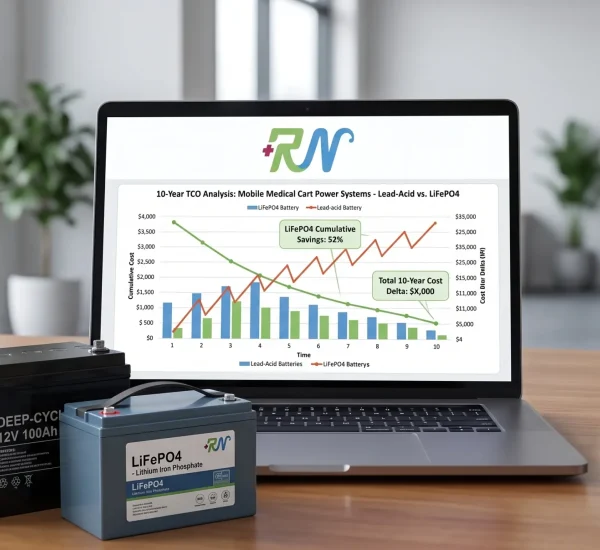
The cheapest battery is rarely the most cost-effective. B2B buyers should conduct total cost of ownership (TCO) analyses rather than focusing solely on unit price.
what to factor in:
- Cycle life: A battery with 3,000 cycles lasts longer than one with 1,500 cycles
- Maintenance requirements: LiFePO₄ requires zero maintenance vs. weekly watering for lead-acid
- Warranty terms: What’s covered and for how long?
- Technical support: Is it included or extra?
- Shipping costs and customs clearance: Factor in logistics
- Replacement frequency: A cheaper battery that fails early costs more in the long run
Red flag: A supplier that can’t provide detailed cycle life data or offers vague warranty terms.
Learn about Runing Power’s energy storage TCO →
Assess Communication and Responsiveness
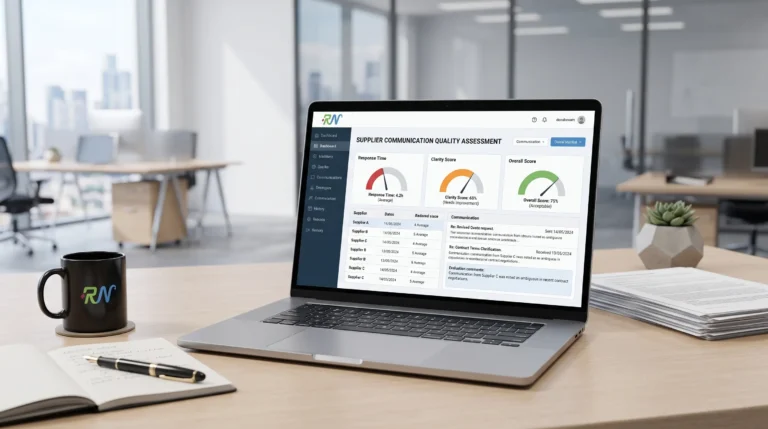
Poor communication is a leading cause of supply chain problems. A supplier’s responsiveness during the evaluation phase often predicts their responsiveness during production.
what to evaluate:
- Response time: How quickly do they reply to inquiries?
- Technical depth: Can they answer technical questions accurately?
- Transparency: Are they open about capabilities, limitations, and lead times?
- Proactive communication: Do they flag potential issues before they become problems?
Red flag: Slow responses, vague answers, or unwillingness to provide documentation.
Putting It All Together: Your Supplier Scorecard
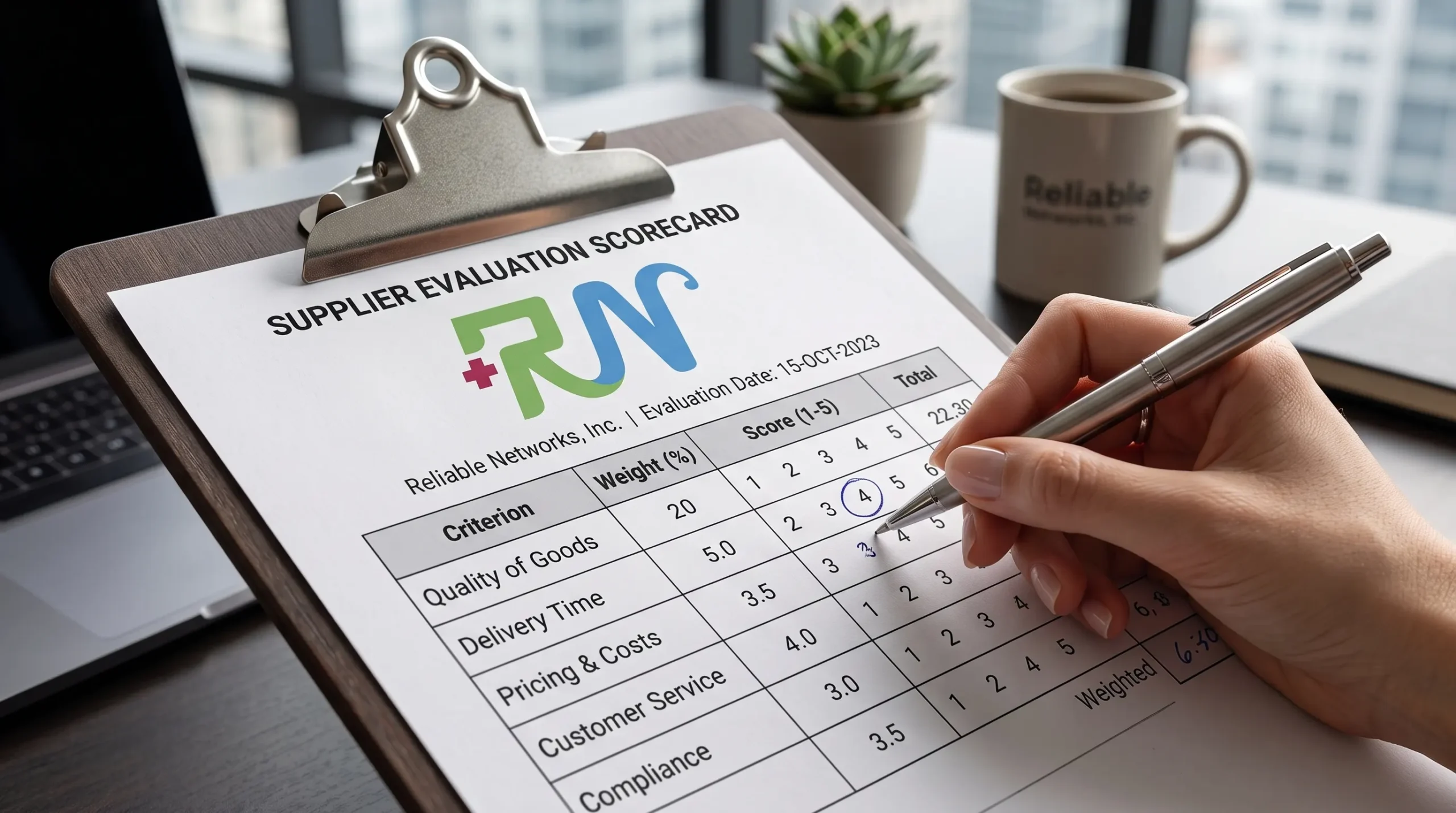
| Criteria | Weight | Supplier A | Supplier B | Supplier C |
|---|---|---|---|---|
| Manufacturer verification | 15% | |||
| Certifications & compliance | 15% | |||
| Factory & automation | 10% | |||
| Sample testing | 15% | |||
| BMS & technical capability | 10% | |||
| Customer references | 10% | |||
| Customization capability | 5% | |||
| Traceability & supply chain | 5% | |||
| TCO analysis | 10% | |||
| Communication | 5% | |||
| Total | 100% |
The Bottom Line
Finding the right lithium battery manufacturer isn’t about luck—it’s about a systematic evaluation process. Use this 10-point checklist to verify claims, test quality, and build a partnership that lasts.

Ready to Evaluate Runing Power?
We invite you to run us through this checklist. Visit our factory, request samples, and review our certifications. We’re confident we’ll meet every standard on your list.
Hello
Please enter your email address to subscribe.